

In today's high-pressure world, emotional intelligence has become just as important as technical skills and academic knowledge. Commonly known as Emotional Quotient (EQ), emotional intelligence refers to the ability to understand, manage, and respond to emotions effectively — both our own and those of others.
People with strong emotional intelligence are generally better at:
- Handling stress
- Maintaining relationships
- Making balanced decisions
- Communicating effectively
- Adapting to challenges
While emotional intelligence is often viewed as a personal skill, the environment around us can significantly influence our emotional state and behavior. One of the most powerful environmental influences is the presence of green spaces.
How Modern Environments Affect Emotional Health
Modern lifestyles expose people to constant mental stimulation, screen time, noise, and workplace pressure. These conditions can overstimulate the amygdala — the part of the brain responsible for emotional reactions and stress responses. When stress levels remain high, people often become more impatient, emotionally reactive, and mentally exhausted.
Green spaces help create a natural emotional balance.
The Science Behind Green Spaces and EQ
Research connected with Attention Restoration Theory suggests that exposure to greenery can reduce mental fatigue and support emotional recovery. Natural environments provide a calming effect that allows the brain to relax and regain focus.
Even small green elements such as indoor plants, balcony gardens, office greenery, or natural outdoor views can positively influence mood and emotional stability.
When people spend time in greener environments, they often experience:
- Lower stress
- Improved patience
- Calmer thinking
- Better emotional control
- Stronger social interactions
These qualities directly contribute to higher emotional intelligence.
Green Spaces in the Workplace and at Home
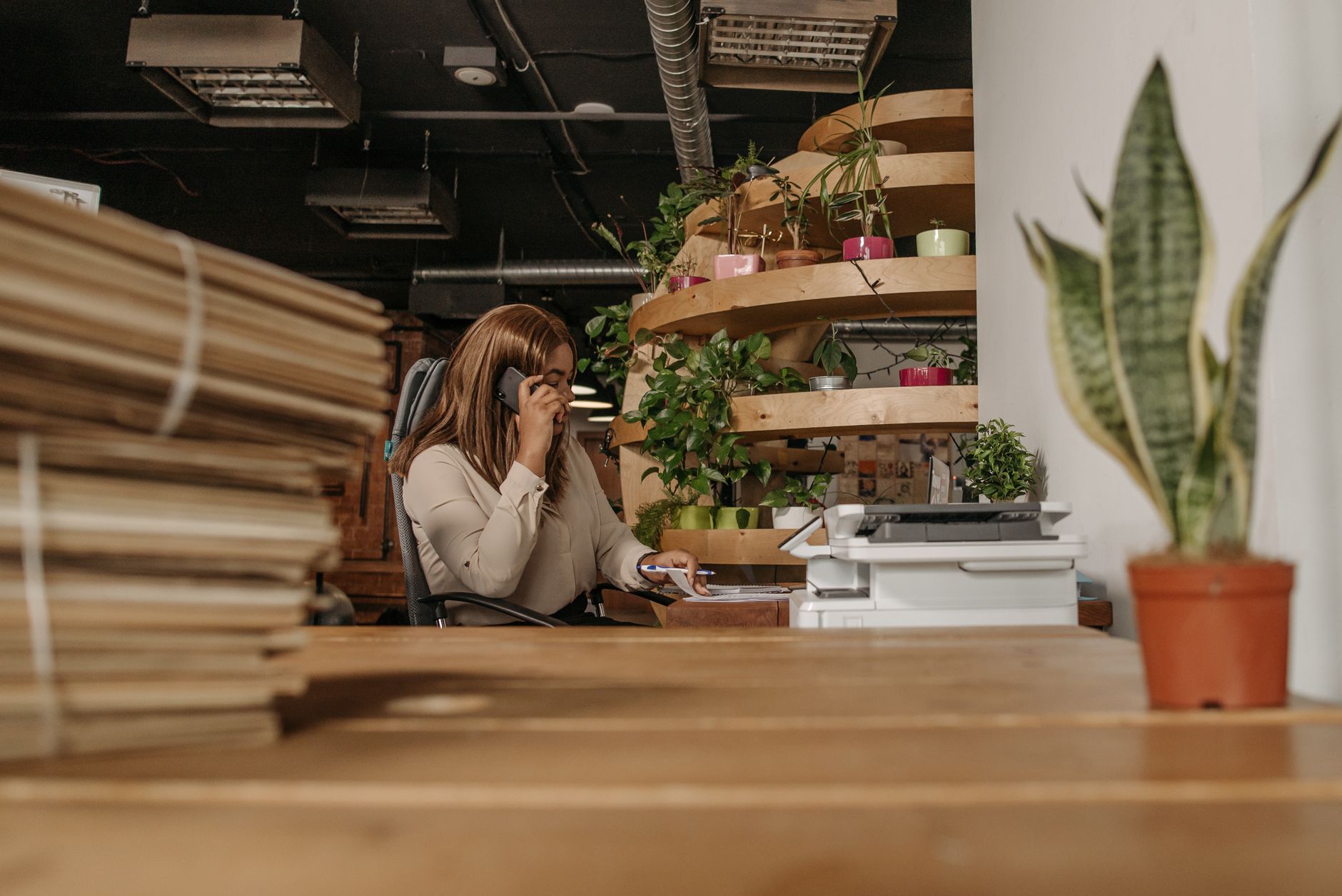
In workplaces, greener environments can improve team dynamics and communication. Employees working in calm and visually refreshing spaces are often better able to manage pressure, collaborate effectively, and maintain positive attitudes during stressful situations.
At home, green spaces create emotional comfort and reduce the mental fatigue caused by busy daily routines. They encourage relaxation, mindfulness, and emotional well-being.

Healthy Plants, Healthier Emotions
Healthy greenery, however, depends on healthy growing conditions. Proper soil structure, balanced moisture, and good aeration help plants remain vibrant and visually refreshing. Maintaining healthy green spaces therefore contributes not only to aesthetics but also to creating emotionally supportive environments.
As awareness around mental wellness continues to grow, green spaces are becoming more than decorative elements. They are increasingly viewed as tools that support emotional balance, mental clarity, and healthier human interactions.
In many ways, emotional intelligence is not shaped only by the mind — it is also shaped by the environment we live and work in.